The Crucial Role of Early Intervention in Cerebral Palsy
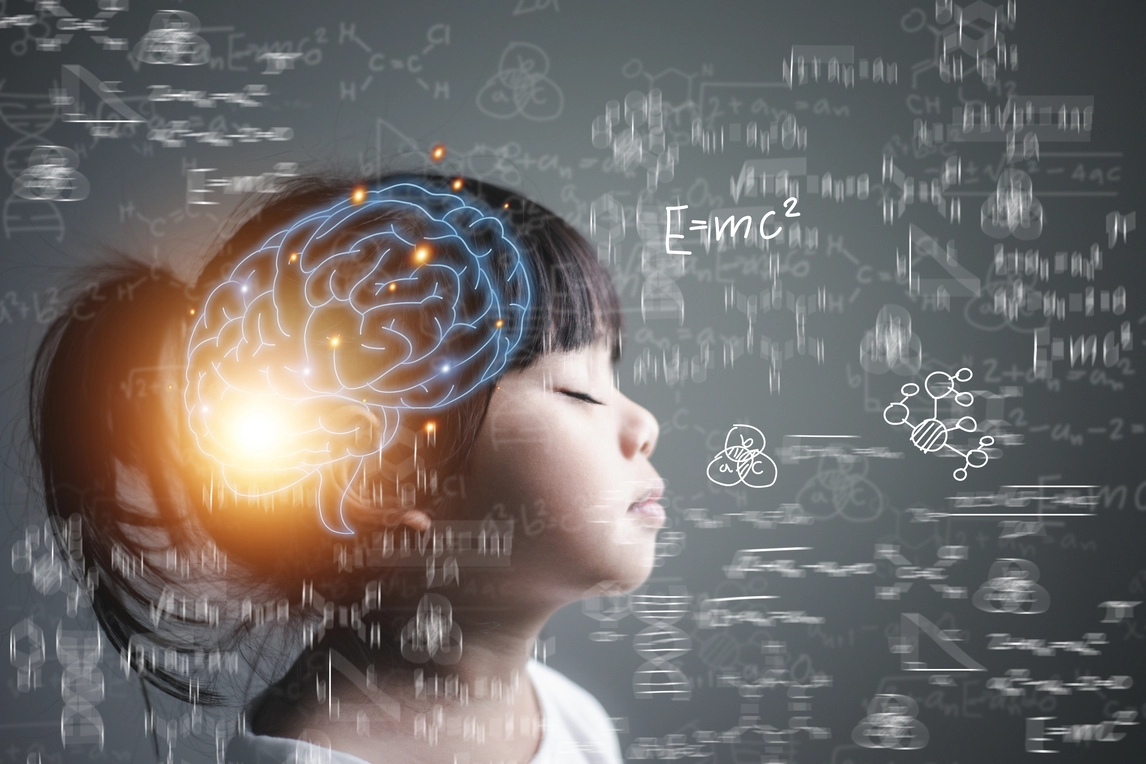
Cerebral Palsy (CP) is a lifelong condition, but the brain's ability to adapt—known as neuroplasticity—is at its peak during the first few years of life. This is why "early intervention" is not just a buzzword; it is the gold standard of care for children with motor disorders.
What is Neuroplasticity?
Think of the infant brain as soft clay. It is constantly forming new connections based on experiences. If a specific motor pathway is damaged (as in CP), the brain can often be trained to route signals around the damaged area, using alternative pathways to achieve movement.
However, this "clay" hardens as the child grows. The earlier we start therapy, the easier it is to mold these pathways.
Therapies That Make a Difference
-
Physiotherapy Focuses on muscle tone, strength, and preventing contractures (tightening of muscles). It helps usually with milestones like holding the head up, rolling, sitting, and walking.
-
Occupational Therapy Focuses on fine motor skills (grasping toys) and activities of daily living (feeding).
-
Speech Therapy Essential not just for talking, but for safe swallowing and feeding, as CP often affects the muscles of the mouth and throat.
Moving Forward
A diagnosis of CP can be overwhelming for parents. But early intervention shifts the focus from "what is wrong" to "what is possible." With consistent therapy, many children go on to lead independent, fulfilling lives.