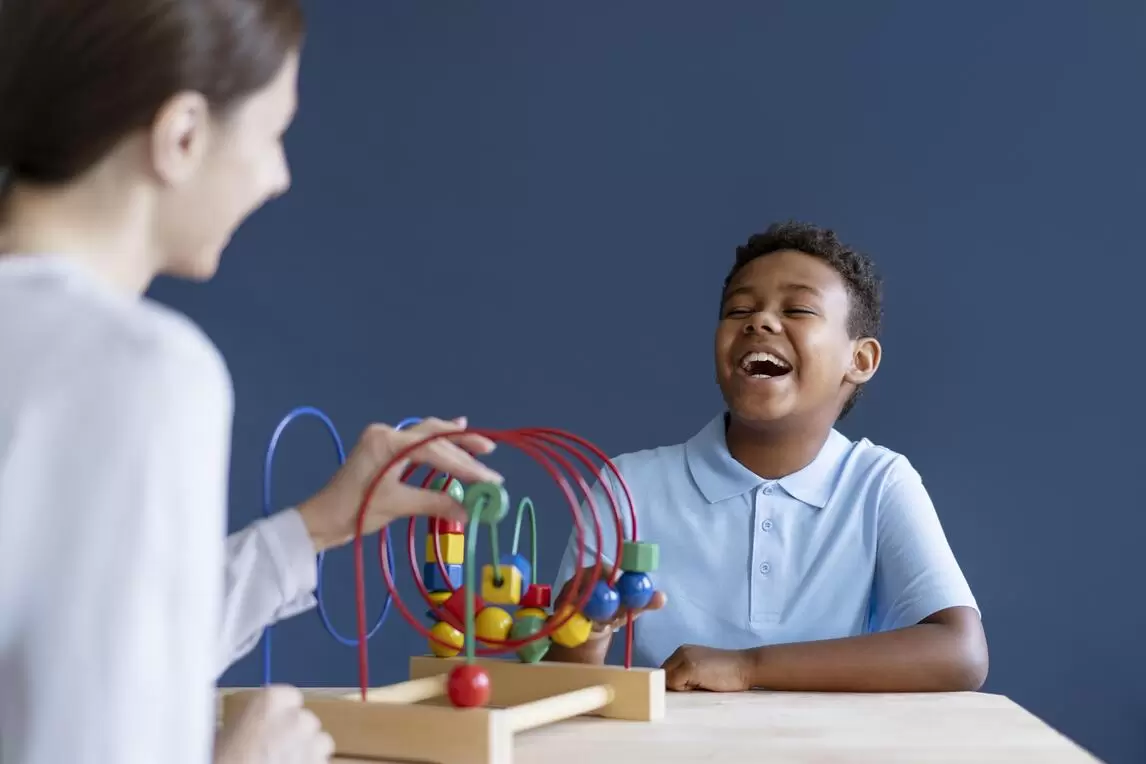
More Than Just Words: How Speech Therapy Helps Social Skills
When parents think of speech therapy, they often think about fixing a lisp or helping a late talker say "mama." While articulation and vocabulary are important, speech therapy plays a massive role in Social Pragmatics—the rules of social language.
What are Social Pragmatics?
These are the unspoken rules we use every day to interact with others. For children with autism or social communication disorders, these rules don't come naturally. They have to be learned.
- Turn-Taking: Knowing when to speak and when to listen.
- Topic Maintenance: Staying on topic rather than switching randomly to a favorite subject (like trains or dinosaurs).
- Non-Verbal Cues: Reading facial expressions and body language (e.g., knowing someone is bored by looking at their face).
The Impact on Friendships
Without these skills, a child might "dominate" a conversation or miss cues that a peer wants to play a different game. This can lead to isolation.
How We Build These Skills
We use role-playing games, "Social Stories," and group therapy sessions. By practicing conversation in a safe, structured environment, children gain the confidence to make friends on the playground.